How to make your professional CV with ATS FREE
Creating a professional CV that is optimized for Applicant Tracking Systems (ATS) is crucial in today’s competitive job market. An ATS-friendly CV ensures that your application passes through the initial digital screening process, increasing your chances of landing an interview. To craft an effective ATS-compliant CV, focus on using clear and concise language, incorporating relevant keywords from the job description, and maintaining a straightforward format. Avoid using complex layouts, graphics, or unusual fonts that might confuse the system. By adhering to these guidelines, you can create a CV that not only highlights your qualifications and experiences but also aligns with the technical requirements of modern recruitment software, all without incurring any costs.
Understanding ATS: Key Features And How They Impact Your CV
In today’s competitive job market, understanding the intricacies of Applicant Tracking Systems (ATS) is crucial for crafting a professional CV that stands out. ATS software is designed to streamline the recruitment process by filtering and ranking applications based on specific criteria set by employers. As such, it is imperative for job seekers to tailor their CVs to meet these criteria, ensuring they pass through the initial screening phase. This article delves into the key features of ATS and how they impact the construction of your CV, providing insights into optimizing your application for success.
To begin with, it is essential to recognize that ATS software primarily functions by parsing and storing information from CVs in a database. This process involves extracting relevant data such as work experience, education, skills, and contact information. Consequently, the format and structure of your CV play a significant role in how effectively this information is captured. For instance, using standard headings like “Work Experience” and “Education” ensures that the ATS can easily identify and categorize these sections. Moreover, opting for a simple, clean layout without excessive graphics or unconventional fonts enhances the readability of your CV by both the ATS and human recruiters.
Transitioning to the content of your CV, keyword optimization emerges as a pivotal factor in navigating ATS filters. Employers often configure ATS to search for specific keywords that align with the job description. Therefore, incorporating relevant keywords throughout your CV is vital. This can be achieved by carefully analyzing the job posting and mirroring the language used in your descriptions of past roles and responsibilities. However, it is important to maintain a balance, ensuring that the inclusion of keywords appears natural and not forced. Overloading your CV with keywords can lead to a disjointed narrative, which may ultimately detract from the overall quality of your application.
In addition to keywords, the ATS evaluates the relevance and recency of your experiences. Thus, it is advisable to prioritize recent and pertinent roles, highlighting achievements and contributions that demonstrate your suitability for the position. Quantifying accomplishments with specific metrics or outcomes can further enhance the impact of your CV, providing concrete evidence of your capabilities. Furthermore, tailoring your CV for each application by emphasizing different aspects of your experience can significantly improve your chances of passing the ATS screening.
Another critical aspect to consider is the use of appropriate file formats. While ATS software can process various formats, submitting your CV as a Word document (.doc or .docx) is generally recommended. This format is widely accepted and ensures that the ATS can accurately parse the content without encountering compatibility issues. Conversely, PDF files, although visually appealing, may sometimes pose challenges for certain ATS platforms, potentially leading to misinterpretation of your information.
In conclusion, understanding the key features of ATS and their impact on your CV is essential for navigating the modern job application landscape. By focusing on clear formatting, strategic keyword usage, and relevant content, you can optimize your CV to successfully pass through ATS filters. As the first point of contact between you and potential employers, a well-crafted CV not only increases your chances of securing an interview but also sets the foundation for a successful career journey.
Free Tools And Resources For Creating An ATS-Friendly CV
In today’s competitive job market, crafting a professional CV that stands out is crucial. However, with the increasing use of Applicant Tracking Systems (ATS) by employers, it is essential to ensure that your CV is not only visually appealing but also ATS-friendly. Fortunately, there are numerous free tools and resources available to help you create an ATS-compatible CV without incurring any costs. Understanding how these systems work is the first step in optimizing your CV for ATS. Essentially, ATS software scans and parses resumes to identify keywords and phrases that match the job description. Therefore, it is imperative to tailor your CV to include relevant keywords that align with the specific job you are applying for. This can be achieved by carefully analyzing the job description and incorporating similar language and terminology into your CV.
To begin with, utilizing free online CV builders can significantly streamline the process of creating an ATS-friendly CV. Websites such as Canva, Resume.com, and Indeed offer user-friendly platforms that provide customizable templates designed to pass through ATS filters. These tools often include features that allow you to input your information in a structured format, ensuring that your CV is both visually appealing and machine-readable. Moreover, these platforms often provide guidance on how to effectively organize your content, which is crucial for ATS compatibility.
In addition to using CV builders, leveraging free keyword optimization tools can enhance the ATS-friendliness of your CV. Tools like Jobscan and Resunate analyze your CV against a specific job description, highlighting areas where you can improve keyword usage. By identifying the most relevant keywords and phrases, these tools enable you to strategically incorporate them into your CV, thereby increasing the likelihood of passing through ATS filters. Furthermore, these tools often provide insights into the overall strength of your CV, offering suggestions for improvement that can enhance its effectiveness.
Another valuable resource for creating an ATS-friendly CV is the use of free grammar and style checkers. Tools such as Grammarly and Hemingway Editor can help ensure that your CV is not only free of grammatical errors but also clear and concise. Since ATS software often struggles with complex sentence structures and unusual formatting, maintaining simplicity and clarity in your writing is essential. By utilizing these tools, you can refine your CV to ensure that it is easily readable by both ATS software and human recruiters.
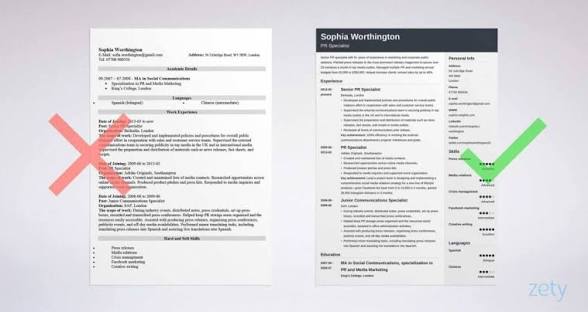
Moreover, it is important to consider the format of your CV when aiming for ATS compatibility. While visually striking designs may be appealing, they can often hinder the ATS’s ability to accurately parse your information. Therefore, opting for a simple, text-based format is advisable. Avoid using tables, graphics, or unusual fonts, as these elements can confuse ATS software. Instead, focus on a clean and straightforward layout that prioritizes content over aesthetics.
In conclusion, creating an ATS-friendly CV does not require expensive software or professional services. By utilizing free tools and resources, you can effectively optimize your CV to pass through ATS filters and increase your chances of landing an interview. From online CV builders and keyword optimization tools to grammar checkers and format considerations, these resources provide invaluable assistance in crafting a professional CV that meets the demands of modern recruitment processes. By taking advantage of these free tools, you can ensure that your CV not only captures the attention of ATS software but also resonates with potential employers.
Step-By-Step Guide To Formatting Your CV For ATS Compatibility
In today’s competitive job market, ensuring that your curriculum vitae (CV) is compatible with Applicant Tracking Systems (ATS) is crucial for securing an interview. These systems are designed to streamline the recruitment process by filtering out resumes that do not meet specific criteria. Therefore, understanding how to format your CV for ATS compatibility is essential. This guide provides a step-by-step approach to creating an ATS-friendly CV without incurring any costs.
To begin with, it is important to recognize the significance of keywords in your CV. ATS software scans for specific terms that match the job description. Consequently, a thorough analysis of the job posting is necessary to identify relevant keywords. Incorporating these terms naturally throughout your CV will enhance its visibility to the system. However, it is imperative to avoid keyword stuffing, as this can lead to a disjointed and unprofessional document.
Next, the structure of your CV plays a pivotal role in its ATS compatibility. A clear and logical format is essential. Start with your contact information at the top, followed by a professional summary that succinctly outlines your qualifications and career objectives. This section should be tailored to align with the job description, incorporating the identified keywords. Following this, list your work experience in reverse chronological order. Each entry should include the job title, company name, location, and dates of employment. Bullet points are recommended for detailing responsibilities and achievements, as they enhance readability for both ATS and human reviewers.
Education should be presented in a similar reverse chronological format, including the degree obtained, institution name, and graduation date. If applicable, include any certifications or professional development courses that are pertinent to the position. It is advisable to avoid using tables, columns, or graphics, as these can confuse ATS software. Instead, opt for a simple, text-based layout that ensures all information is easily parsed by the system.
Moreover, selecting the right file format is crucial for ATS compatibility. While PDF files are commonly used for their professional appearance, some ATS software may struggle to read them. Therefore, submitting your CV in a Word document format (.doc or .docx) is generally safer. This format is widely accepted and ensures that your CV is processed correctly by most systems.
In addition to formatting, attention should be paid to the language and style of your CV. Use clear and concise language, avoiding jargon or overly complex sentences. Action verbs are effective in conveying your accomplishments and responsibilities, providing a dynamic and engaging narrative. Furthermore, consistency in font style and size throughout the document contributes to a professional appearance, enhancing both ATS and human readability.
Finally, it is essential to proofread your CV meticulously. Spelling and grammatical errors can undermine your credibility and may result in your CV being disregarded by both ATS and recruiters. Utilizing free online tools for grammar and spell-checking can assist in this process, ensuring that your document is polished and error-free.
In conclusion, creating an ATS-compatible CV requires careful attention to detail and adherence to specific formatting guidelines. By incorporating relevant keywords, maintaining a clear structure, selecting the appropriate file format, and ensuring linguistic precision, you can enhance your CV’s chances of passing through ATS filters. This strategic approach not only increases the likelihood of securing an interview but also demonstrates your professionalism and attention to detail, qualities that are highly valued in any candidate.
Common Mistakes To Avoid When Crafting An ATS-Optimized CV
In the contemporary job market, the use of Applicant Tracking Systems (ATS) has become increasingly prevalent, necessitating a strategic approach to crafting a professional CV. These systems are designed to streamline the recruitment process by filtering applications based on specific criteria, which underscores the importance of optimizing your CV for ATS compatibility. However, many job seekers inadvertently make common mistakes that can hinder their chances of advancing in the selection process. Understanding these pitfalls is crucial for creating an ATS-optimized CV that effectively showcases your qualifications.
One of the most frequent errors is the use of complex formatting and graphics. While visually appealing designs may capture the attention of human recruiters, they often confuse ATS software, which primarily reads text. Therefore, it is advisable to avoid intricate layouts, images, and charts. Instead, opt for a clean, simple format that emphasizes clarity and readability. Utilizing standard fonts such as Arial or Times New Roman and maintaining consistent font sizes can further enhance the legibility of your CV.
Another common mistake is the inclusion of irrelevant information. Many candidates tend to overload their CVs with details that are not pertinent to the job they are applying for. This not only dilutes the impact of relevant experiences but also increases the likelihood of your CV being overlooked by the ATS. To avoid this, tailor your CV to each job application by highlighting experiences and skills that align with the job description. This targeted approach not only improves your chances of passing the ATS screening but also demonstrates your genuine interest in the position.
Moreover, the improper use of keywords is a critical error that can significantly affect your CV’s performance in an ATS. These systems are programmed to search for specific keywords that match the job description. Therefore, it is essential to incorporate relevant keywords naturally throughout your CV. However, it is equally important to avoid keyword stuffing, which can make your CV appear forced and unnatural. Instead, focus on integrating keywords seamlessly into your descriptions of past roles and achievements.
Additionally, neglecting to include a professional summary can be a missed opportunity to make a strong first impression. A well-crafted summary provides a concise overview of your qualifications and career objectives, setting the tone for the rest of your CV. This section should be tailored to reflect the key competencies and experiences that are most relevant to the job you are applying for, thereby capturing the attention of both the ATS and human recruiters.
Furthermore, failing to proofread your CV for errors can undermine your professionalism and attention to detail. Spelling and grammatical mistakes can not only confuse ATS software but also create a negative impression on potential employers. Therefore, it is imperative to thoroughly review your CV before submission, utilizing tools such as spell checkers and grammar checkers, and seeking feedback from peers or mentors.
In conclusion, crafting an ATS-optimized CV requires careful consideration of various elements, from formatting and content relevance to keyword usage and error-free presentation. By avoiding common mistakes and adhering to best practices, you can enhance the effectiveness of your CV in navigating the ATS landscape, thereby increasing your chances of securing an interview and advancing in your career.
How to make your professional CV with ATS FREE